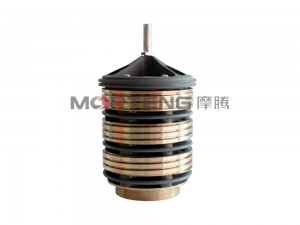
Grounding ring MTE19201216


The grounding ring stands as a critical safety and protective component widely utilized across various industrial and electrical systems, with its core functionality centered on mitigating electrical hazards that could compromise equipment integrity and operational safety. Its primary role of diverting leakage currents is far more nuanced than a simple current redirection—leakage currents, which often arise from insulation degradation, component wear, or unexpected electrical faults in systems like motors, generators, or high-voltage equipment, pose significant risks if left unaddressed. These stray currents can not only trigger false alarms in monitoring systems but also lead to overheating of electrical components, accelerated insulation breakdown, and even potential fire hazards. The grounding ring acts as a dedicated, low-resistance pathway for these leakage currents, channeling them safely into the ground or a designated grounding system rather than allowing them to flow through unintended routes (such as metal enclosures, wiring casings, or adjacent equipment), thereby safeguarding both the electrical system itself and personnel who may come into contact with exposed surfaces.

The grounding ring addresses this problem by establishing a direct, low-impedance electrical connection between the rotating shaft and the stationary frame of the equipment (or the grounding system). By providing this dedicated path, the grounding ring effectively equalizes the electrical potential across the shaft and bearings, preventing the buildup of shaft voltage that would otherwise lead to harmful bearing currents. This protective function is particularly critical in high-performance or high-power electrical systems—such as those used in manufacturing, power generation, or heavy machinery—where even minor bearing damage can escalate into major operational disruptions or safety risks.